.png)

Creatine: One of the Most Researched Sports Supplements

When it comes to sports supplements, few have been studied as extensively as creatine monohydrate.
Despite the myths and confusion surrounding it, creatine has a strong body of evidence supporting its use for improving performance, supporting recovery and, more recently, promoting brain health.
What is Creatine?
Creatine is a naturally occurring compound that plays an important role in how our bodies produce energy. Without getting too technical, it helps regenerate ATP (adenosine triphosphate) through the creatine kinase reaction. ATP is your body's immediate energy source during short, explosive movements such as sprinting, jumping or heavy lifting.
Although your body produces some creatine naturally, it is also found in foods such as beef, pork and certain fish. Supplementing with creatine increases the amount stored in your muscles, allowing you to perform repeated high-intensity efforts more effectively.
Why creatine monohydrate?
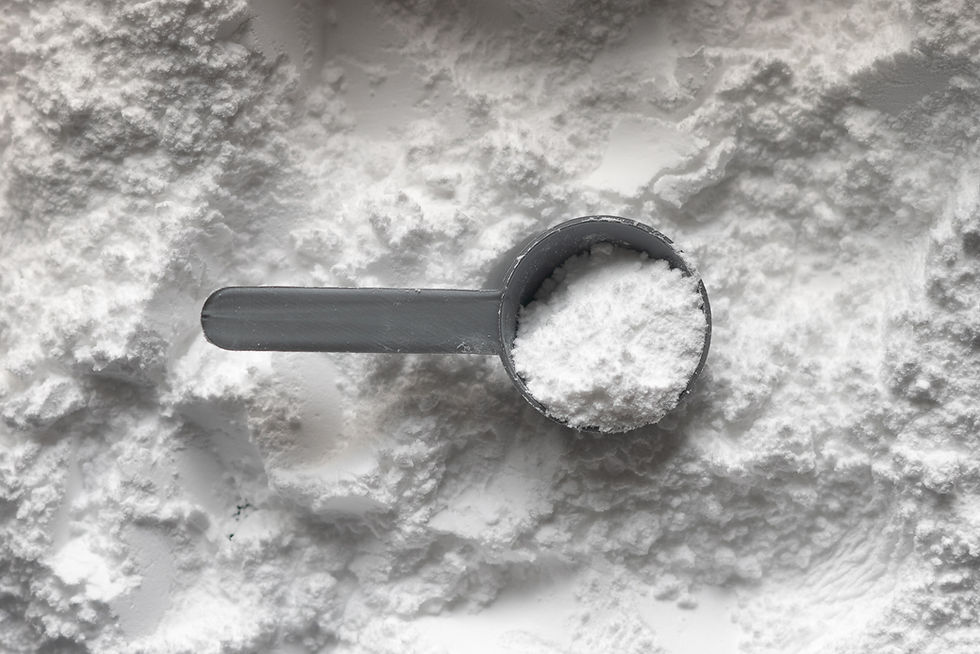
Creatine monohydrate is the most researched and evidence-based form of creatine available. It has consistently been shown to be safe and effective when used appropriately. Because it is produced synthetically, it is also suitable for vegetarians and vegans.
Some evidence suggests taking creatine with a carbohydrate containing meal or drink may enhance muscle uptake, making post-exercise meals an ideal time to include it
For most athletes, sorting out everyday nutrition delivers far more benefit than another tub of powder ever will, so make sure this isn't being overlooked (and reach out if you need some support here!)
What are the benefits?
Research shows creatine supplementation can provide several benefits, including:
⚡Improved performance during short-duration, high-intensity exercise (typically less than 30 seconds).
⚡Increased muscle strength, power and lean muscle mass when combined with resistance training.
⚡Enhanced training quality by allowing athletes to perform more work during repeated high-intensity efforts.
⚡Support for recovery during periods of intense training or when rebuilding muscle following injury or immobilisation.
⚡Emerging evidence suggests potential benefits for brain health, including improved cognitive processing under certain conditions and supporting recovery following mild traumatic brain injury (mTBI) or concussion. Research in this area continues to evolve.
Who might benefit?
Creatine isn't just for bodybuilders. It may be particularly beneficial for:
💪 Athletes participating in high-intensity sports requiring repeated maximal efforts lasting less than 30 seconds.
💪 Team sport athletes who regularly perform repeated sprints, jumps and explosive movements.
💪 Individuals undertaking strength and resistance training to improve muscle size and strength.
💪 Vegetarian and vegan athletes, who often have lower baseline muscle creatine stores and therefore may experience greater benefits from supplementation.
💪 Athletes recovering from injury or periods of muscle loss.
💪 Individuals recovering from mild traumatic brain injury (under guidance from their healthcare team).
Where do I start and what should I expect?
There are two common approaches:
Loading phase (optional):
5 g of creatine monohydrate, four times per day (20 g/day total) for 5 days.
Maintenance phase:
3–5 g per day, or approximately 0.03 g per kilogram of body weight each day.
While a loading phase helps increase muscle creatine stores more quickly, it isn't essential. Taking a maintenance dose consistently will also increase muscle stores over time.
Something to note is one of the first things many people notice after starting creatine is a small increase in body weight, typically around 1–2 kg. This is largely due to increased water being stored within the muscles rather than an increase in body fat. This is considered a normal response, and nothing to be overly concerned about.
What can you take it with?
Creatine can be taken at any time of day, but many people find it easiest to include after training alongside a meal containing carbohydrates and protein.

Some simple options include:
🥚Greek yoghurt with fruit and granola.
🥚Overnight oats or cooked oats with berries.
🥚Wholegrain toast with eggs or peanut butter.
🥚A smoothie made with milk, fruit and yoghurt.
🥚Rice or pasta with lean meat or another protein source.
The most important factor is taking creatine consistently each day.
Is creatine right for you?
Although creatine is one of the most effective and well researched sports supplements available, supplementation isn't one size fits all. Your training goals, sport, nutrition and medical history all influence whether creatine is appropriate and how to use it effectively.
If you're unsure where to start, navigating doses, timing, loading phases and whether supplementation is right for you can feel overwhelming.
At LF & CO Nutrition, we can help you determine whether creatine is suitable for your goals and lifestyle, develop an evidence-based supplementation plan, and ensure you're using it safely and effectively alongside your nutrition and training.
The information in this blog is shared for general education and inspiration—it’s not personalised nutrition or medical advice. Everyone’s health journey is unique, and what works for one person might not be right for another. If you’d like support that’s tailored to you, it’s best to chat with a dietitian, doctor, or another qualified health professional.
This article is based on current evidence and recommendations from the Australian Institute of Sport (AIS) Sports Supplement Framework and the International Society of Sports Nutrition Position Stand on Creatine Supplementation.
References
Australian Institute of Sport. (n.d.). Sports supplement framework – Group A supplements: Creatine. Retrieved from https://www.ausport.gov.au/ais/nutrition/supplements/group_a
Kreider, R. B., Kalman, D. S., Antonio, J., Ziegenfuss, T. N., Wildman, R., Collins, R., Candow, D. G., Kleiner, S. M., Almada, A. L., & Lopez, H. L. (2017). International Society of Sports Nutrition position stand: Safety and efficacy of creatine supplementation in exercise, sport, and medicine. Journal of the International Society of Sports Nutrition, 14(18). https://doi.org/10.1186/s12970-017-0173-z


Comments